Understanding the Importance of Drainage Surveys
In the bustling urban environment of London and the surrounding regions, the integrity of drainage systems is paramount. A well-maintained drainage infrastructure ensures that property owners avoid costly repairs and mitigates the risks associated with flooding, contamination, and other sanitary issues. Conducting a Drainage Survey London can provide invaluable insights into the condition and functionality of these systems, helping to identify problems before they escalate.
What is a Drainage Survey London?
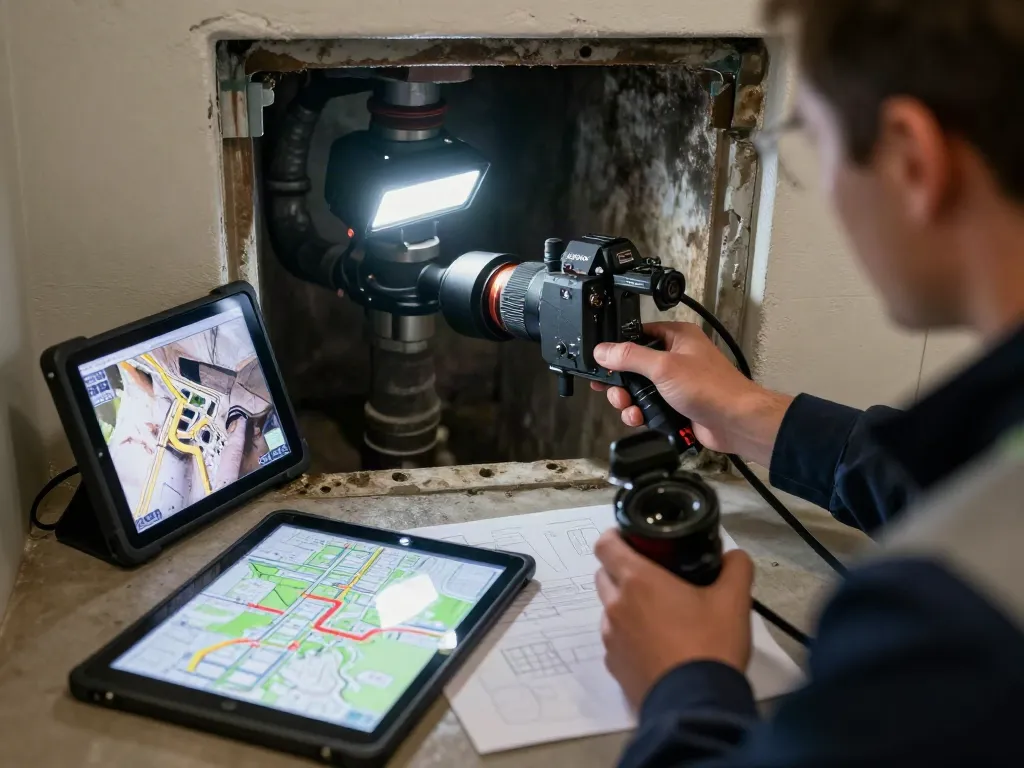
A drainage survey is a detailed inspection of the drainage systems in a specific area, often employing cutting-edge technology such as CCTV cameras, Ground Penetrating Radar (GPR), and sophisticated reporting software. These surveys allow for a thorough examination of underground drainage systems without the need for invasive excavation, providing a clear view of the pipes, their conditions, and any potential issues existing within.
Key Benefits of Conducting a Drainage Survey
- Prevent Costly Repairs: Early detection of issues such as blockages, cracks, or structural damage can save significant repair costs down the line.
- Property Value Assurance: For potential buyers, a drainage survey can provide assurance about a property’s drainage infrastructure, substantiating its value.
- Regulatory Compliance: Ensuring that drainage systems meet local regulations can prevent future legal complications.
- Improved Planning: For developers and architects, accurate information about drainage layout assists in effective planning and design.
Common Misconceptions about Drainage Surveys
Many property owners underestimate the importance of drainage surveys or are unaware of their benefits. Some common misconceptions include the belief that surveys are unnecessary for newer properties, that they're too expensive, or that they're only needed during major renovations. In reality, regular surveys can proactively highlight issues before they become serious problems, and their costs are typically minimal compared to the potential expenses of undetected drainage failures.
Methods Utilised in Drainage Surveying
Modern drainage surveying employs various innovative methodologies to ensure thorough inspections and accurate reporting. Understanding these methods can help clients appreciate the value and necessity of regular assessment.
CCTV Drain Surveys: A Modern Approach
CCTV drain surveys are a revolutionary approach to examining drainage systems. High-resolution cameras are inserted into the drainage pipes, allowing experts to view and record the condition of the infrastructure in real-time. This method is non-invasive and significantly more efficient than traditional surveying, which often required extensive digging and removal of surface materials.
The Role of GPR in Utility Mapping
Ground Penetrating Radar (GPR) is another vital tool in drainage surveying, particularly in mapping out utilities. GPR utilizes electromagnetic energy to detect subsurface features, including pipes, cables, and voids. This technology is essential for understanding the full landscape of a property’s drainage system and avoiding potential hazards during construction or maintenance operations.
Comparing Traditional vs. Modern Drainage Survey Techniques
Traditional survey techniques often relied on physical inspections and extensive surface excavation, which could be disruptive and time-consuming. In contrast, modern techniques, such as CCTV and GPR, provide quicker, more accurate results with significantly less disruption. While traditional methods still have their place in specific contexts, modern approaches are generally preferred for their efficiency and precision.
Common Challenges in Drainage Surveying
Despite advancements in technology and methods, various challenges persist in the field of drainage surveying that can complicate the process and affect outcomes.
Identifying Blockages and Structural Issues
One of the primary challenges in drainage surveying is accurately identifying blockages and structural issues within pipes. While CCTV technology facilitates inspection, it may not always detect small cracks or specific types of blockages. Therefore, surveys often require follow-up inspections or supplemental testing.
Dealing with Older Infrastructure
Older drainage systems often present difficulties, including outdated materials and designs that don’t conform to modern standards. Understanding the limitations of legacy systems is crucial, as repairs or renovations may involve unexpected complexities that necessitate a tailored approach.
Understanding Local Regulations and Compliance
Drainage surveyors must navigate a myriad of local regulations regarding drainage systems, which can vary significantly based on location. Ensuring compliance with these regulations is essential to avoid fines or legal issues, underscoring the importance of working with qualified professionals familiar with local laws.
Best Practices for Effective Drainage Surveys
To maximise the benefits of drainage surveys, certain best practices should be adhered to by both surveyors and property owners.
Preparing for a Drainage Survey: What to Expect
Property owners should prepare for a drainage survey by ensuring access to drainage systems and informing the surveying team about any known issues. Awareness of any landscaping or other surface features can also assist surveyors in planning their inspections effectively.
Interpreting Drainage Survey Reports
After a drainage survey is completed, interpreting reports accurately is essential. These documents provide crucial information regarding the condition of the drainage systems, and understanding them can help property owners and stakeholders make informed decisions about repairs or maintenance.
Incorporating Findings into Infrastructure Planning
The findings of drainage surveys should be integrated into broader infrastructure planning initiatives. This integration can prevent future complications and ensure that drainage systems are maintained effectively, catering to the evolving needs of urban environments.
Future Trends in Drainage Surveying (2026 and Beyond)
The landscape of drainage surveying is continuously evolving, with various trends and technologies paving the way forward.
The Impact of Emerging Technologies
With advancements in technology, the future of drainage surveying looks promising. Integrating Artificial Intelligence (AI) and machine learning for data analysis can lead to even more precise diagnostics and predictive maintenance strategies, enhancing the reliability of drainage systems.
Environmental Considerations and Sustainability
As awareness of environmental sustainability grows, drainage surveying methods are increasingly focusing on minimizing environmental impacts. Emphasizing non-invasive techniques is becoming standard practice, reducing the ecological footprint of survey operations.
Predictions for the Drainage Surveying Industry
Looking ahead, the drainage surveying industry is expected to see continued growth, driven by increasing urban development and regulatory pressures. Investment in technology will likely become a staple, with more companies adopting advanced surveying methods to remain competitive and compliant.
How much does a drain survey typically cost in London?
The cost of a drainage survey in London can vary widely based on factors such as the size of the property, accessibility, and the specific methods used. On average, homeowners might expect to pay between £150 to £500 for standard surveys. However, more extensive assessments may incur higher costs, especially if additional services are required.
Is it worth getting a drain survey?
Investing in a drainage survey is often worthwhile for homeowners and developers, as the potential savings from preventing issues far outweigh the initial costs of the survey. Furthermore, having a comprehensive understanding of a property's drainage condition is invaluable during property transactions and developments.
How much is a drainage report?
Drainage reports can range in price, typically falling between £100 and £300, depending on the complexity of the survey and the additional data provided, such as CAD drawings or detailed condition reports.
How long does a drain survey take?
The duration of a drainage survey can vary; a standard CCTV survey may take between 1 to 3 hours, while more extensive surveys—especially those involving GPR—may take longer based on the property size and complexity. Planning ahead and ensuring clear access can help expedite the process.
What should I expect from a drainage survey?
Property owners should expect a thorough inspection of their drainage systems, with results presented in a detailed report outlining any identified issues and recommendations for maintenance or repairs. The survey findings can be critical for future planning and decision-making.